
Acne in General
Acne is a common skin condition that affects millions, often causing frustration and self-consciousness due to pimples, inflammation, and potential scarring. For those with sensitive skin, finding an effective treatment without causing further irritation can be challenging. Azelaic acid has emerged as a gentle yet powerful option in dermatology, particularly for mild to moderate acne.
What is Azelaic Acid, and is it suitable for me?
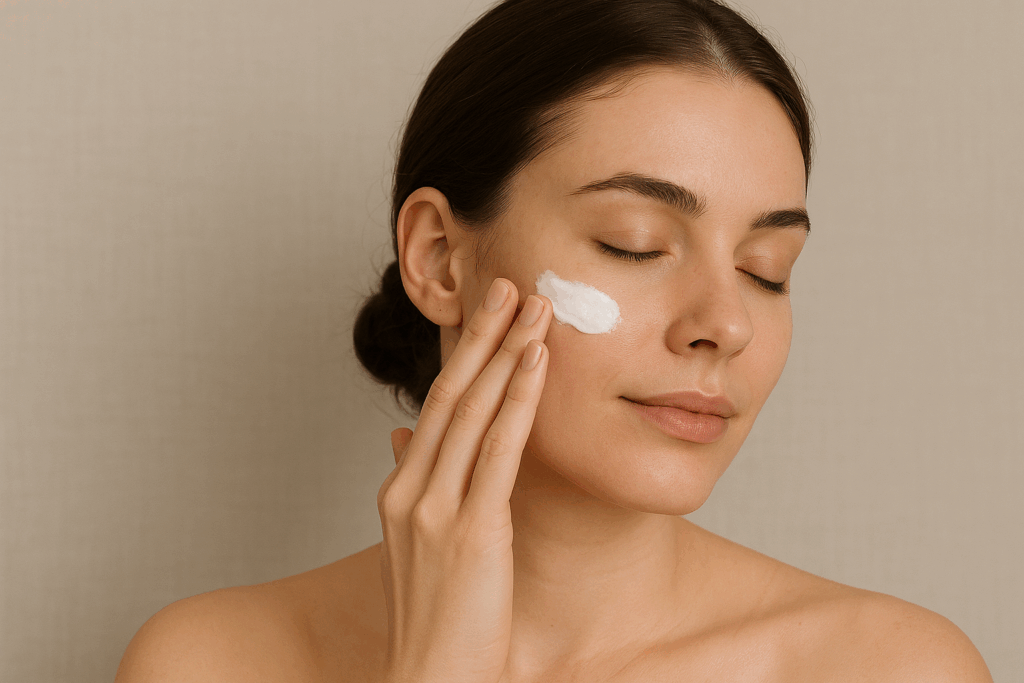
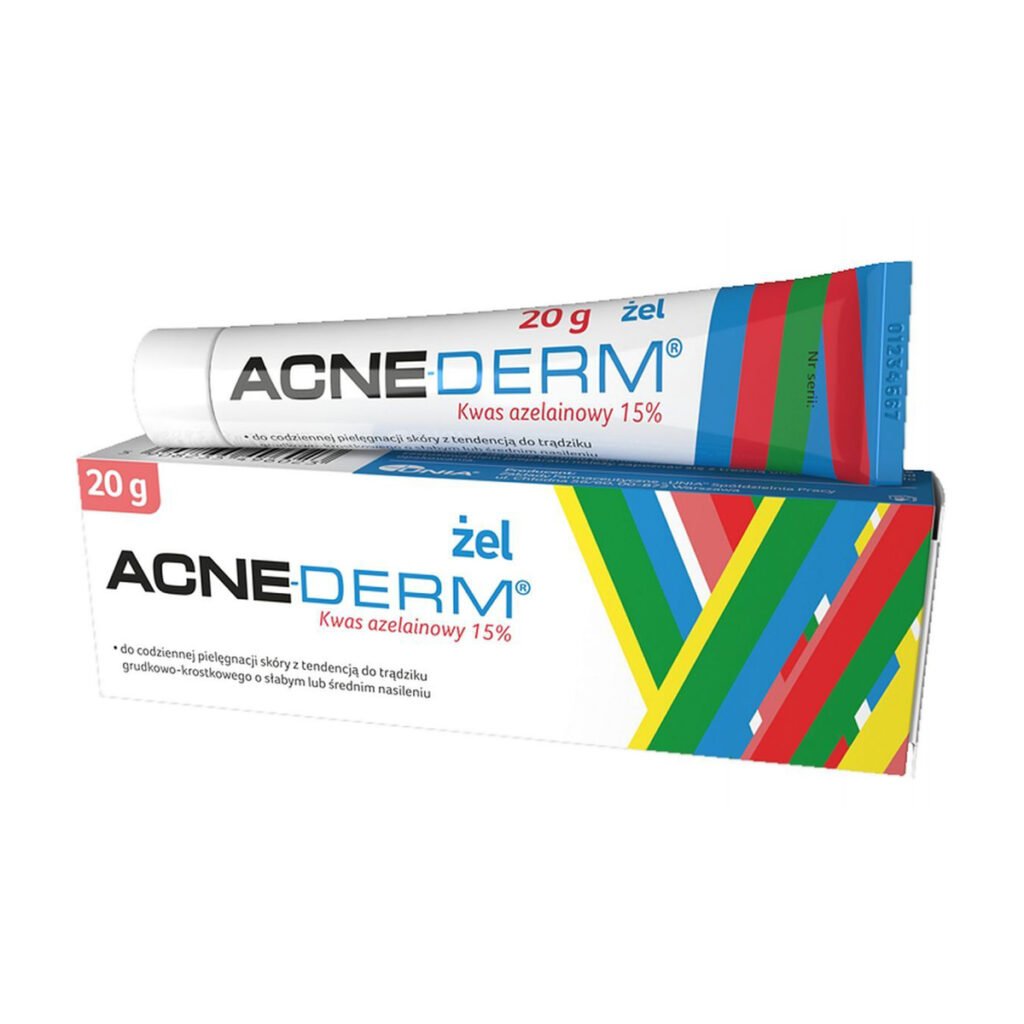
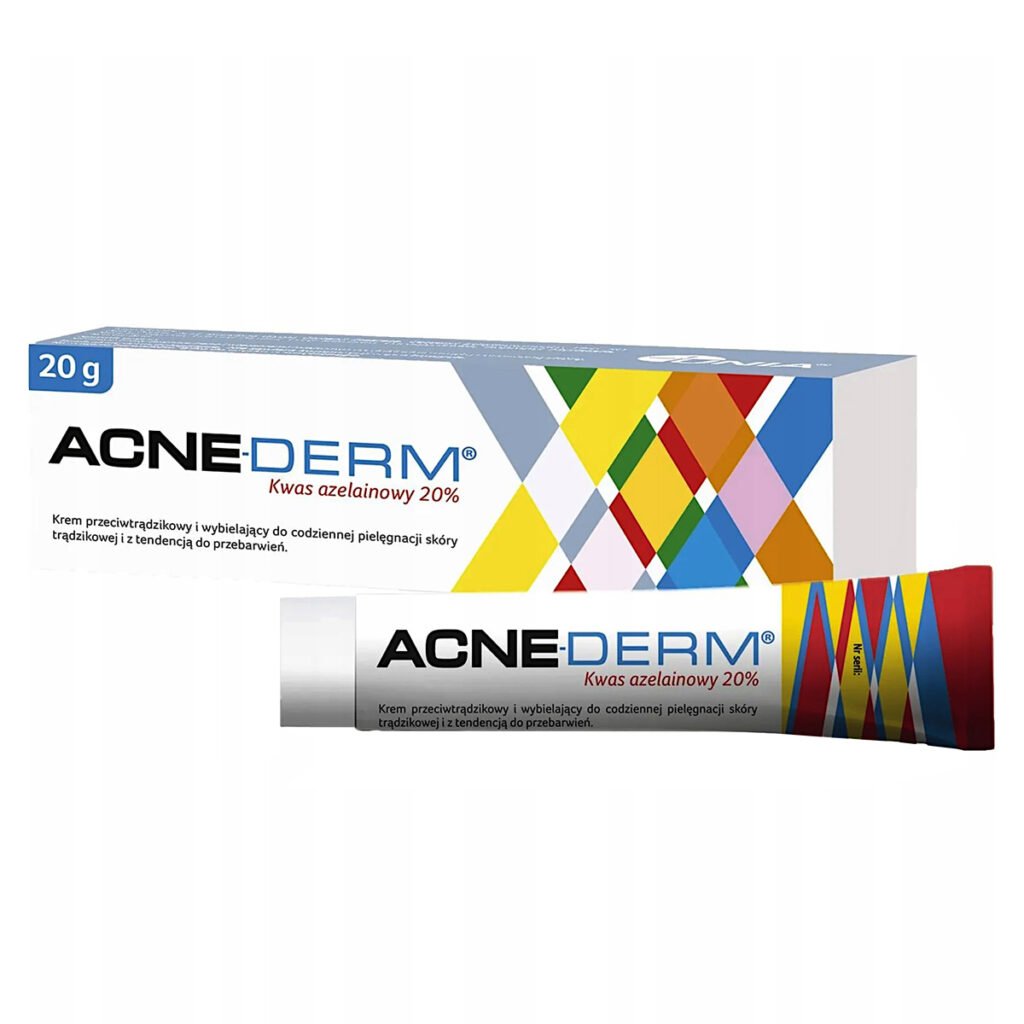
Azelaic acid is a naturally occurring dicarboxylic acid derived from grains like barley, wheat, and rye, though it’s typically synthesized for skincare products. It’s available in a variety of forms (such as creams, gels 15-20% concentration) like Acnederm Gel with 15% strength or Acnederm Cream with 20% Azelaic acid. Unlike harsher acne fighters like benzoyl peroxide or salicylic acid, azelaic acid works on the skin’s surface, making it a milder choice for sensitive skin prone to redness or dryness.
Azelaic acid targets acne through multiple mechanisms. It kills or inhibits the growth of bacteria like Propionibacterium acnes that contribute to breakouts, unclogs pores by promoting gentle cell turnover, and reduces inflammation to make pimples less red and swollen. Additionally, it acts as an antioxidant, protecting against free radicals that exacerbate inflammation, and blocks excess melanin production to prevent post-acne hyperpigmentation. For sensitive skin, this surface-level action means less penetration and potential for deep irritation compared to acids that dive into pores.
Benefits for the sensitive skin
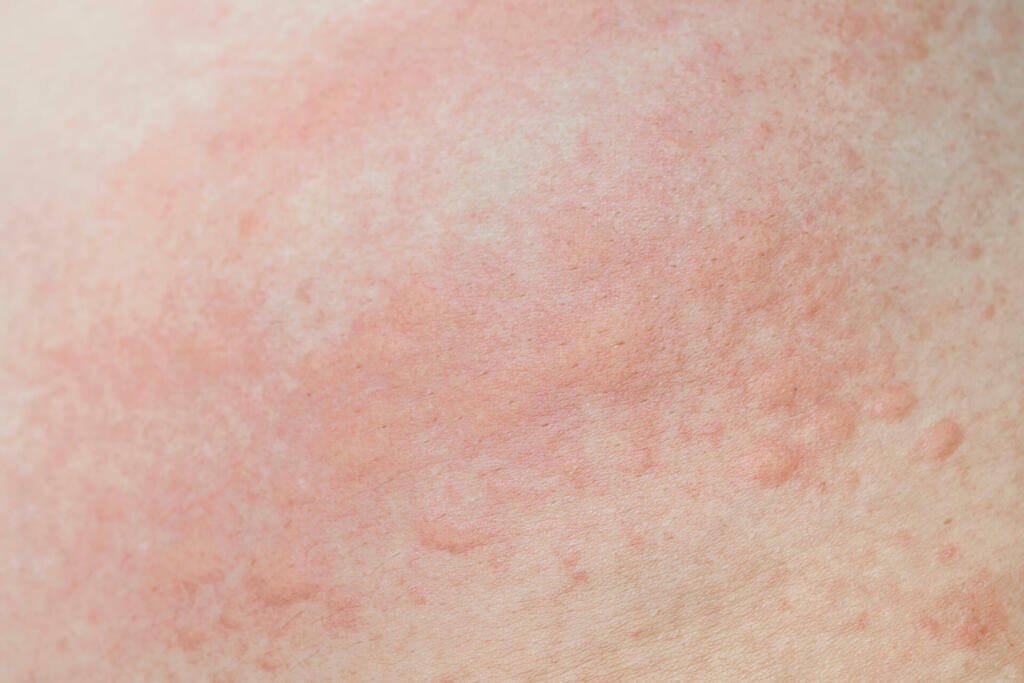
One of the advantages of azelaic acid is its suitability for sensitive skin. Thanks to its gentle exfoliating properties, it’s less irritating than alternatives like alpha hydroxy acids, glycolic acid, or salicylic acid. Studies and clinical use show it effectively reduces acne symptoms while calming redness and inflammation, making it ideal for conditions like rosacea that often overlap with acne in sensitive individuals.
About 70-80% of people with rosacea-like sensitive skin see improvements in bumps and pimples after consistent use. It also evens skin tone, minimizes scarring, and is safe for various skin tones, though those with darker skin should monitor for hypopigmentation. Overall, it’s a multitasking ingredient that addresses acne without overwhelming sensitive barriers.
Possible side effects of Azelaic Acid
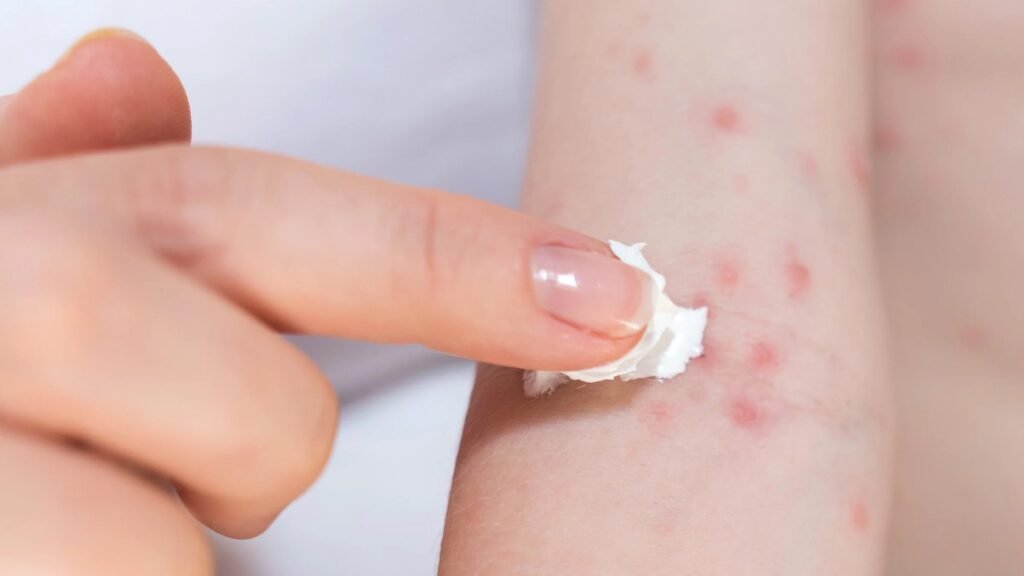
While generally well-tolerated, azelaic acid can cause initial side effects, especially on sensitive skin. Common ones include burning, stinging, tingling, dryness, itching, peeling, or redness. Less common effects might involve blistering, flaking, or irritation, and rare allergic reactions like hives, swelling.
- To minimize risks on sensitive skin, perform a patch test first: Apply a small amount to a discreet area and wait 24-48 hours for reactions.
- For sensitive skin, begin with once-daily application to build tolerance, and always follow with a moisturizer to maintain the skin barrier.
- Avoid combining with drying products like alcohol-based cleansers, astringents, abrasives, or other acne treatments unless approved by a doctor
- If you have asthma, use cautiously, as it might exacerbate symptoms.
- If acne doesn’t improve after 4 weeks, worsens, or if severe side effects occur, consult a dermatologist. Regular check-ups are recommended to monitor progress and adjust treatment.